
Healthcare Beyond the Hospital
Bringing care to the Hardest-to-Reach Communities in Petit Trou
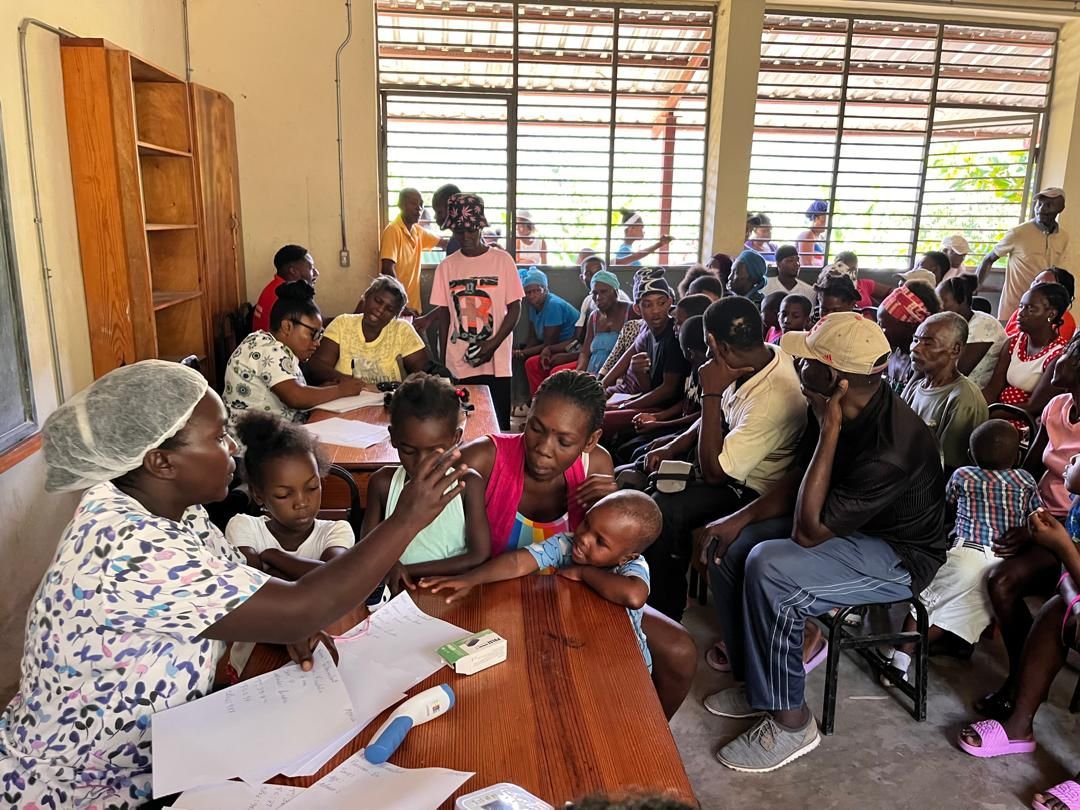
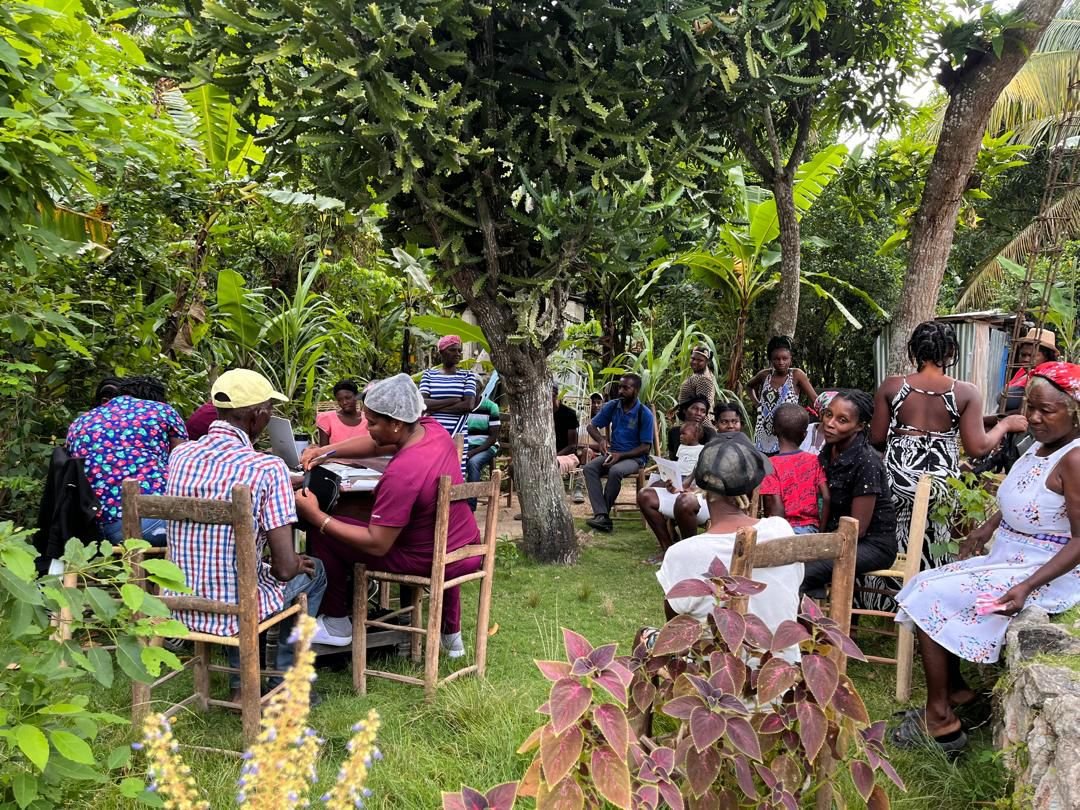
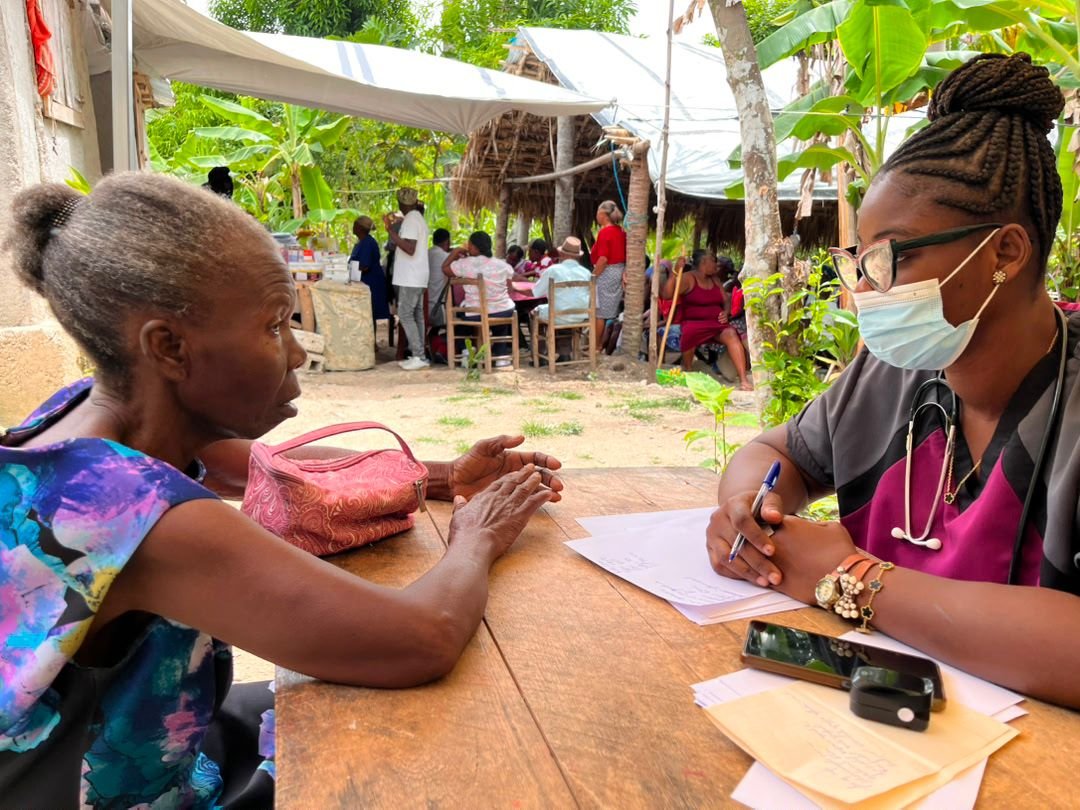
In the months following Hurricane Melissa, Locally Haiti and our partners brought essential healthcare directly to some of the most underserved communities in Petit Trou de Nippes. Thanks to dedicated support from Direct Relief, our team just completed a week-long mobile health clinic initiative to check in with these same communities and ensure they know we are still standing with them.
Conducted June 8–14, 2026, the initiative reached seven communities across the commune: Oso, Tibi, Lyev, Chevalye, Boujen, Lendo, Gran Ravin. By the end of the week, the team had served 1,760 patients, providing free consultations, diagnostic services, medications, and health education to families who might otherwise have gone without care. The incredible success of this effort builds on our continued partnership with Episcopal Relief & Development, which focuses on health systems strengthening in Petit Trou.
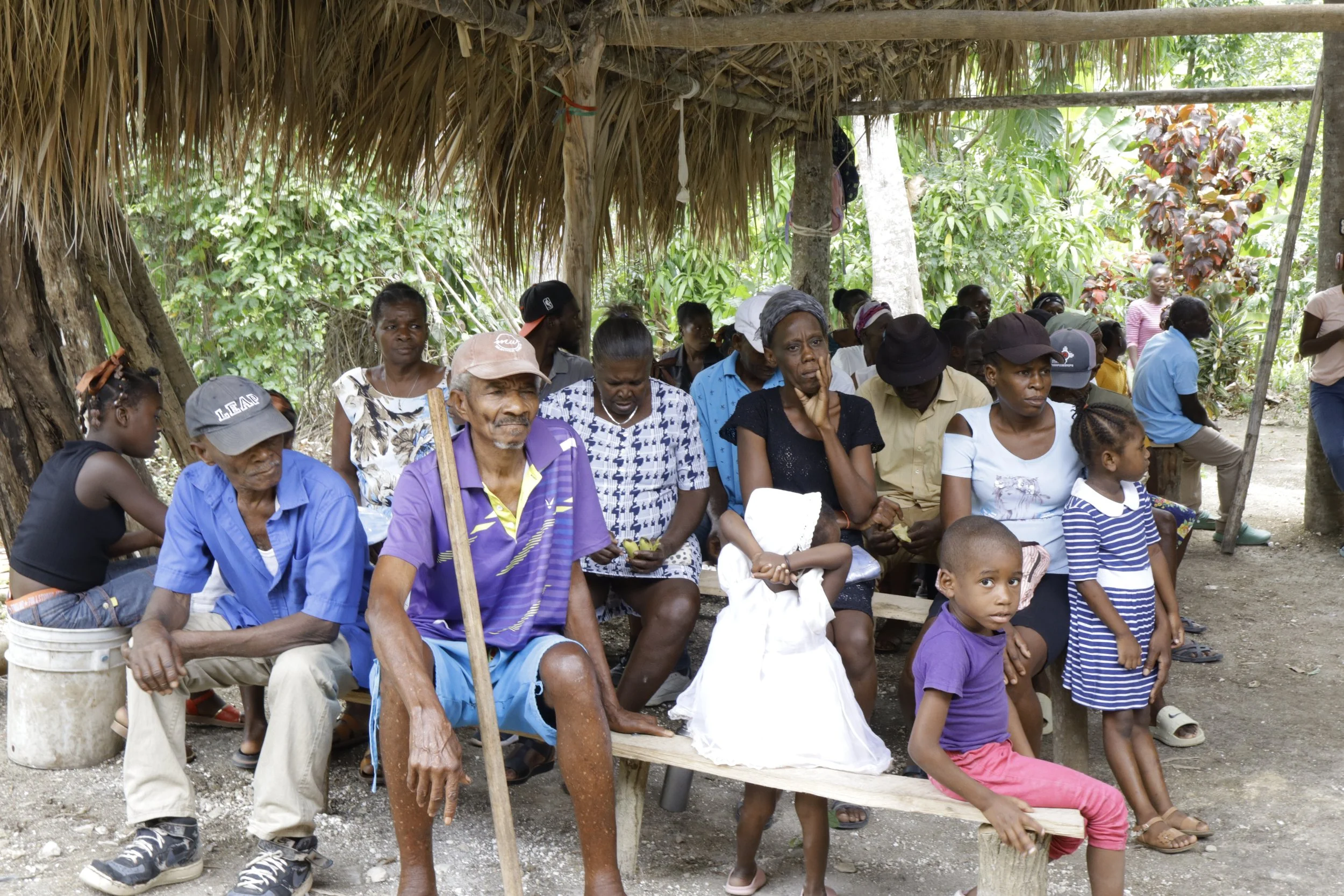
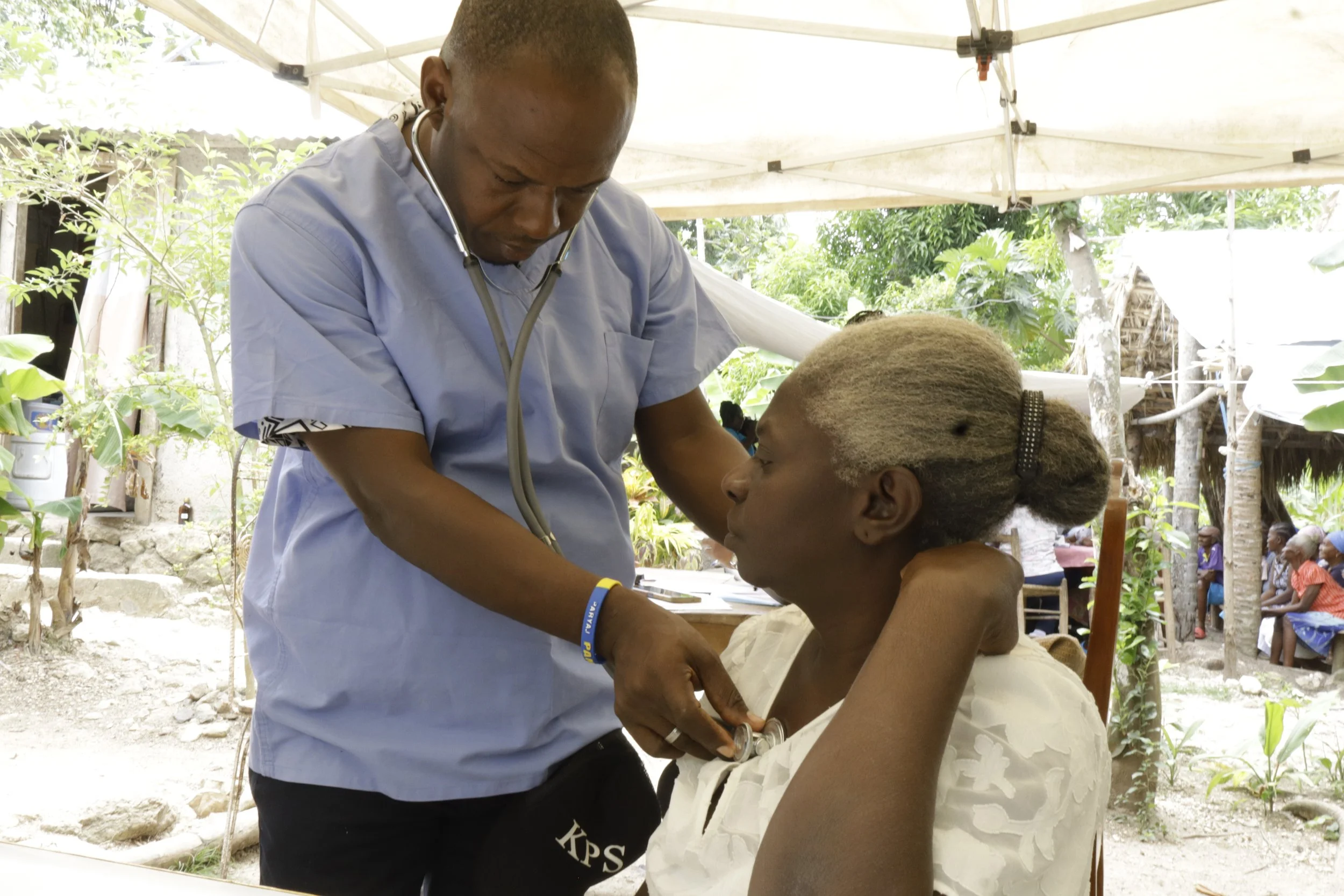
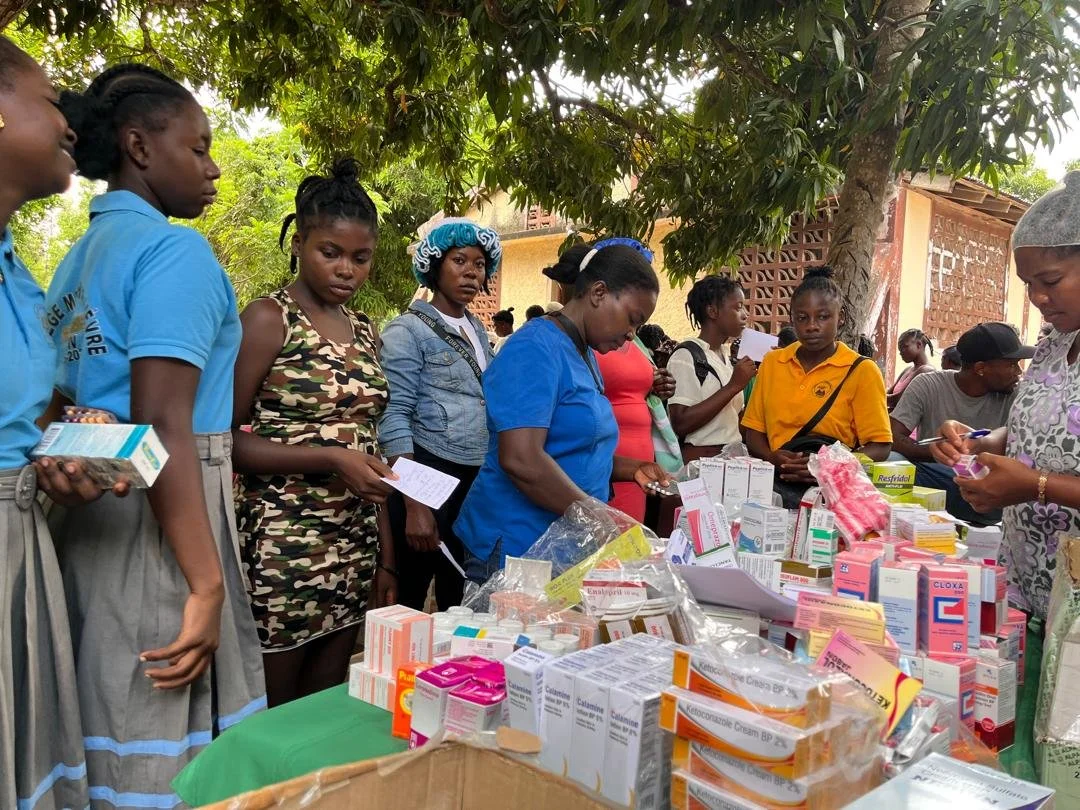
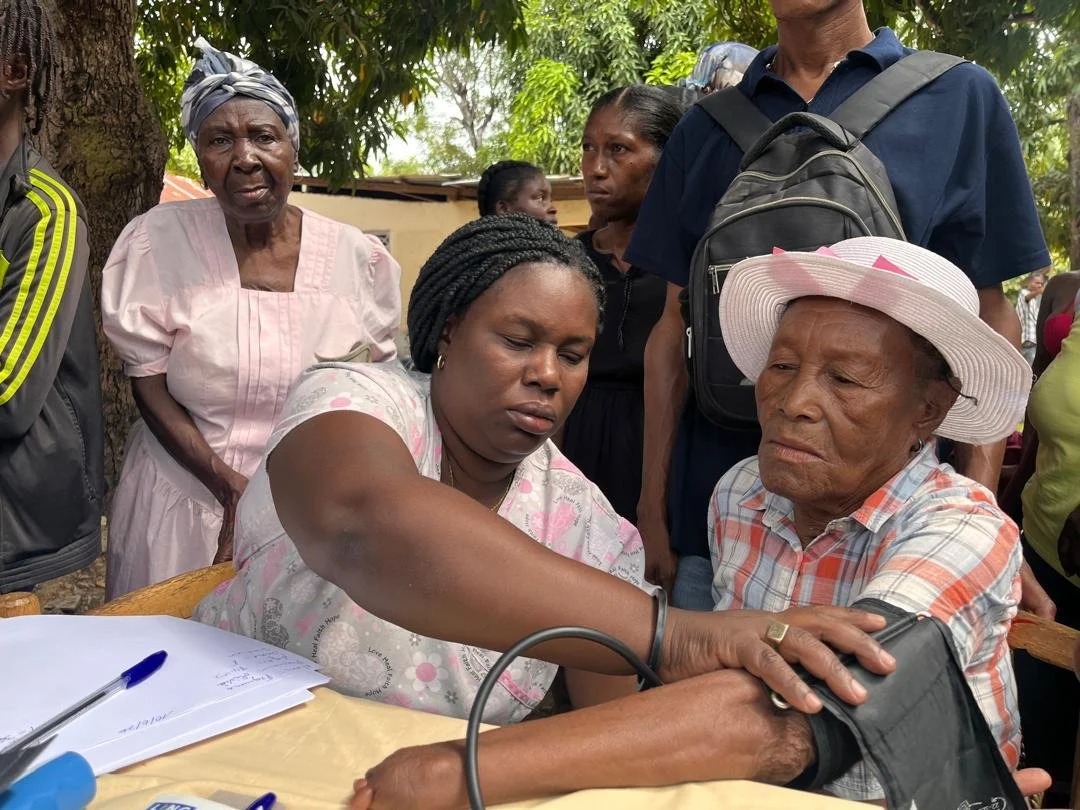
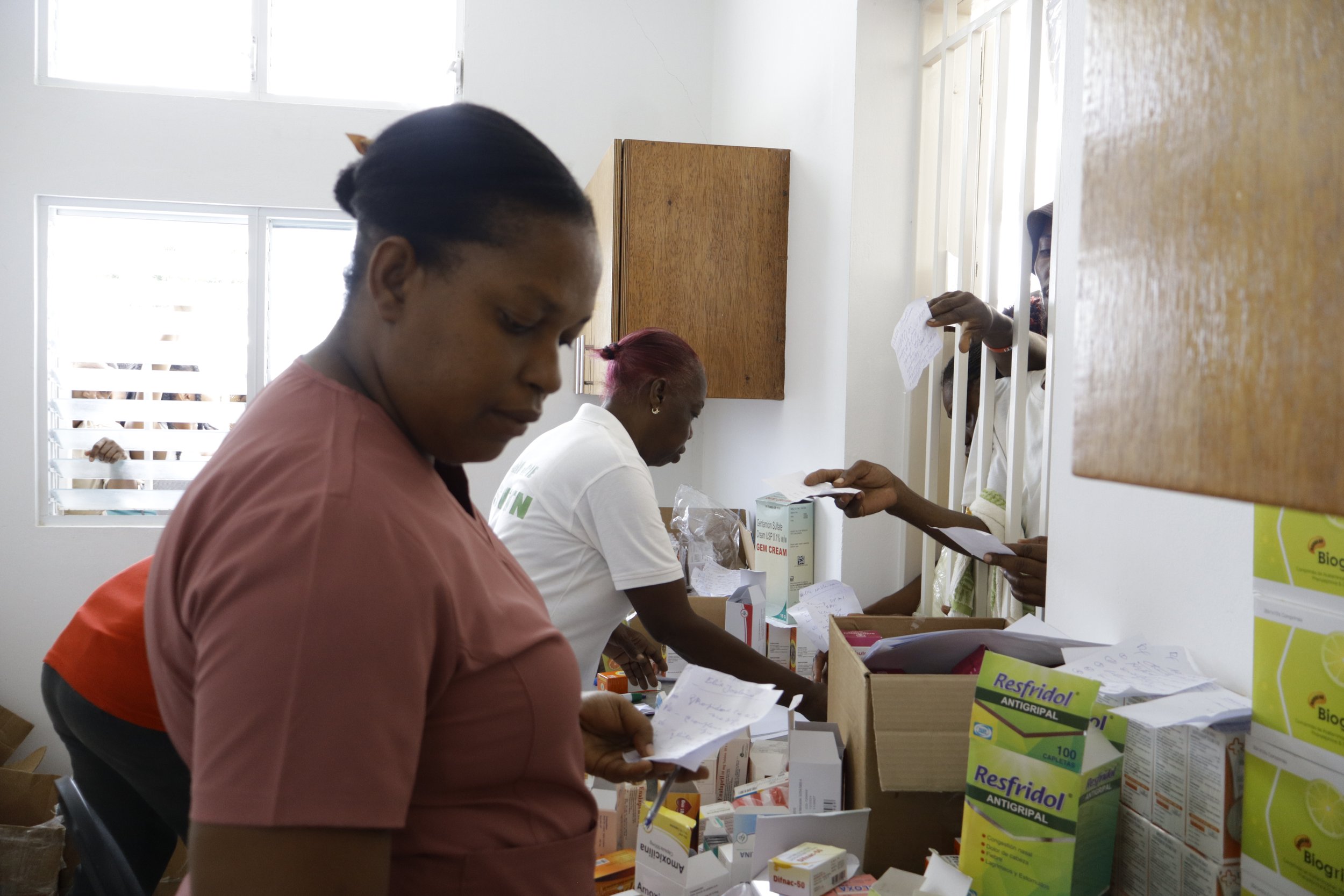
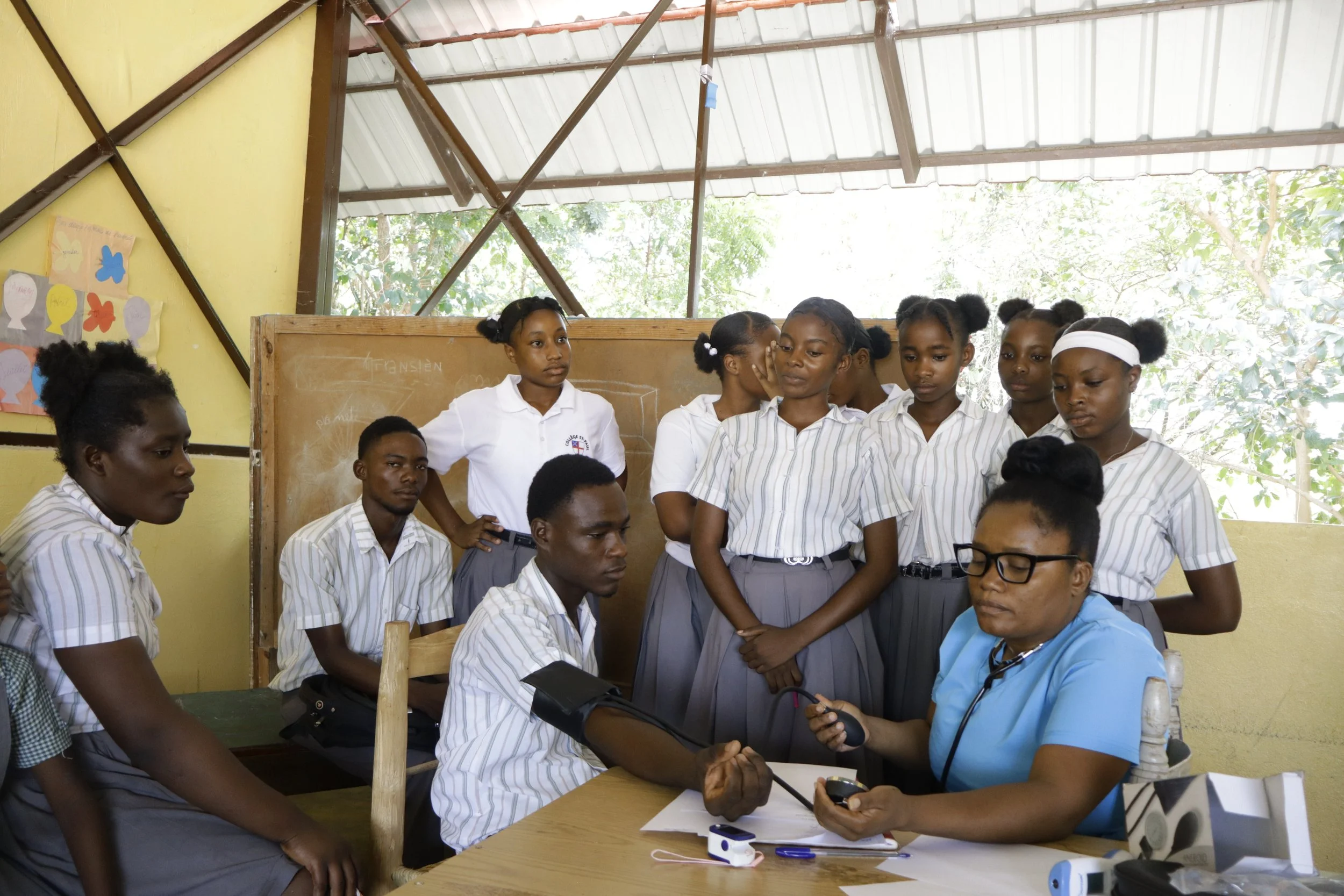
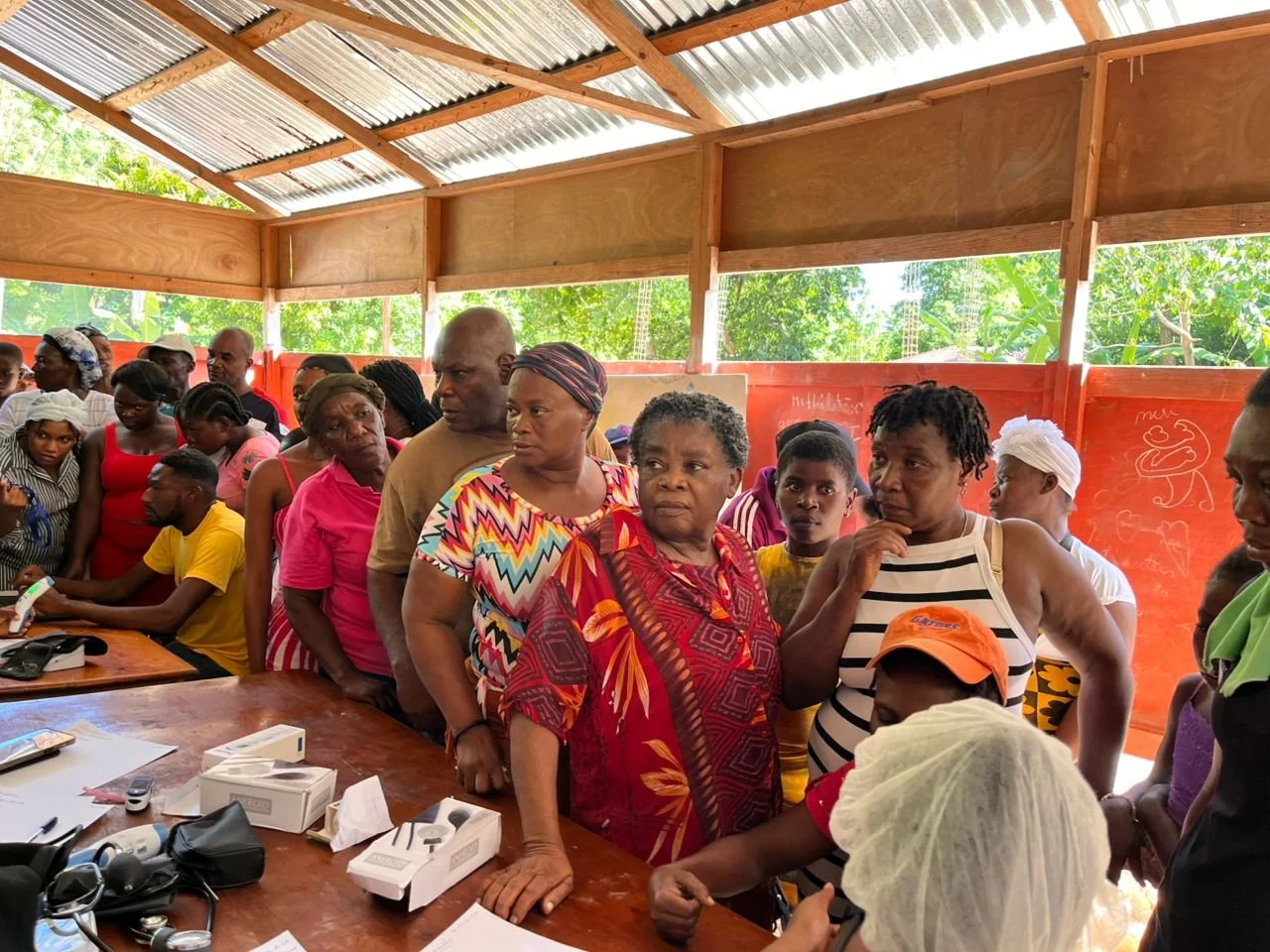
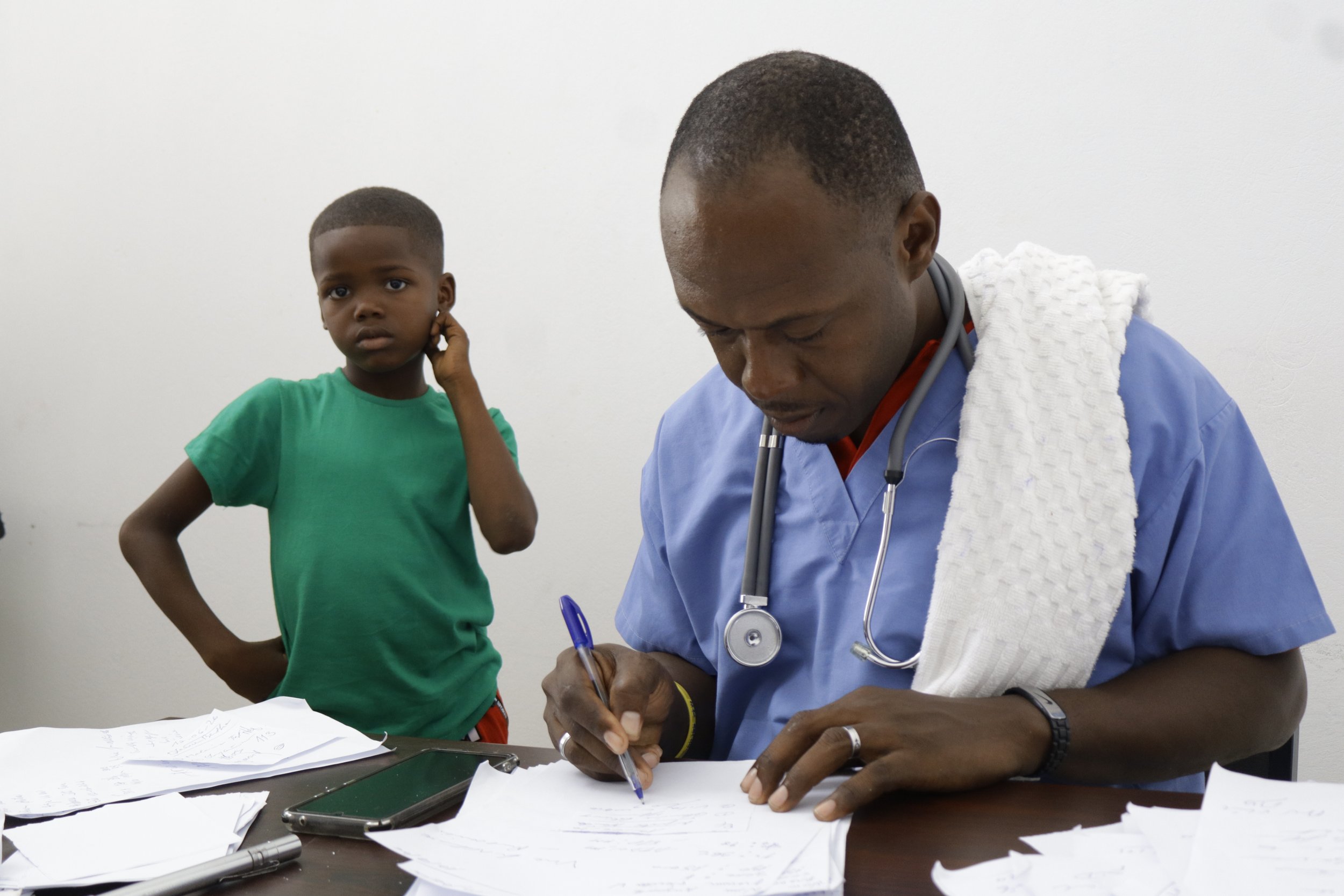
Bringing Care Directly to Rural Communities
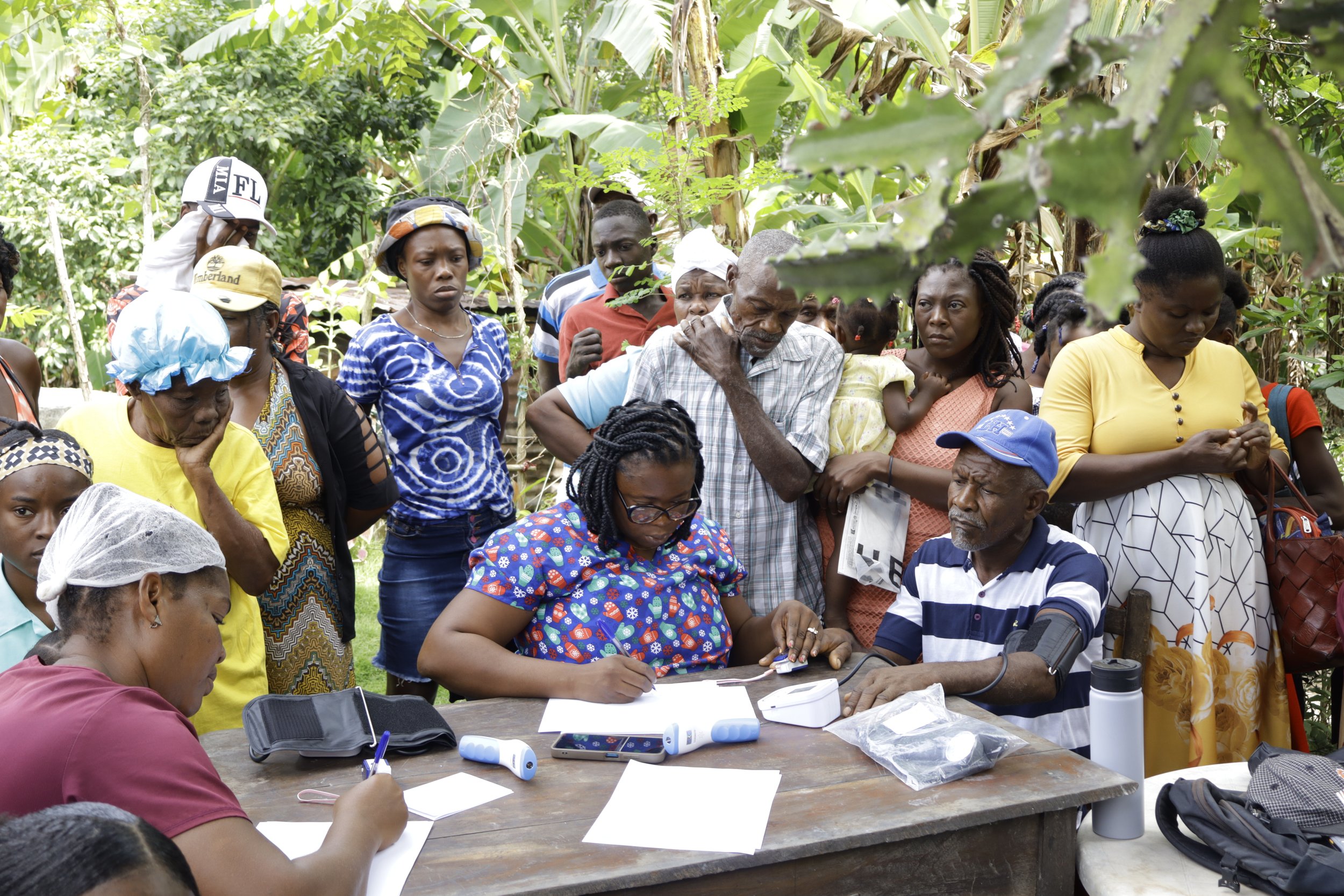
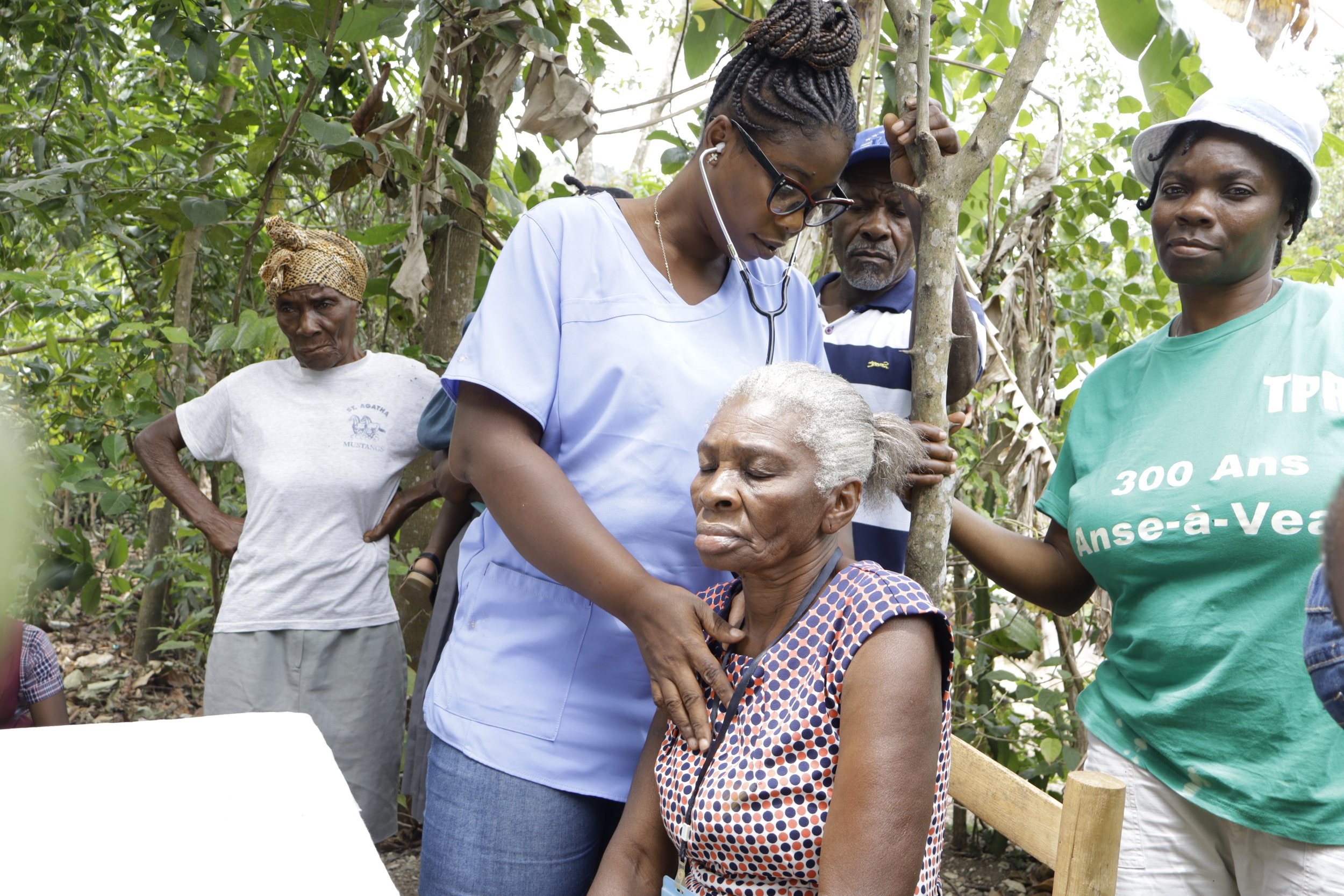
Led by Dr. Robennson Toussaint, the clinics were staffed by a 27-person team that included four physicians, eleven nurses, a pharmacist, seven community health agents, and management staff, including Locally Haiti leaders Lisson Michel and Joseph Alvyns. The clinics were carried out every day for a week and the team worked in shifts, in order to ensure the hospital itself was still staffed each day.
Existing health posts that are already used by our community health workers were leveraged as home bases for the clinics, allowing patients to receive:
Medical consultations and diagnostic services
Treatment for acute and chronic illnesses
On-site laboratory testing
Reproductive health and family planning services
Wound care and infection management
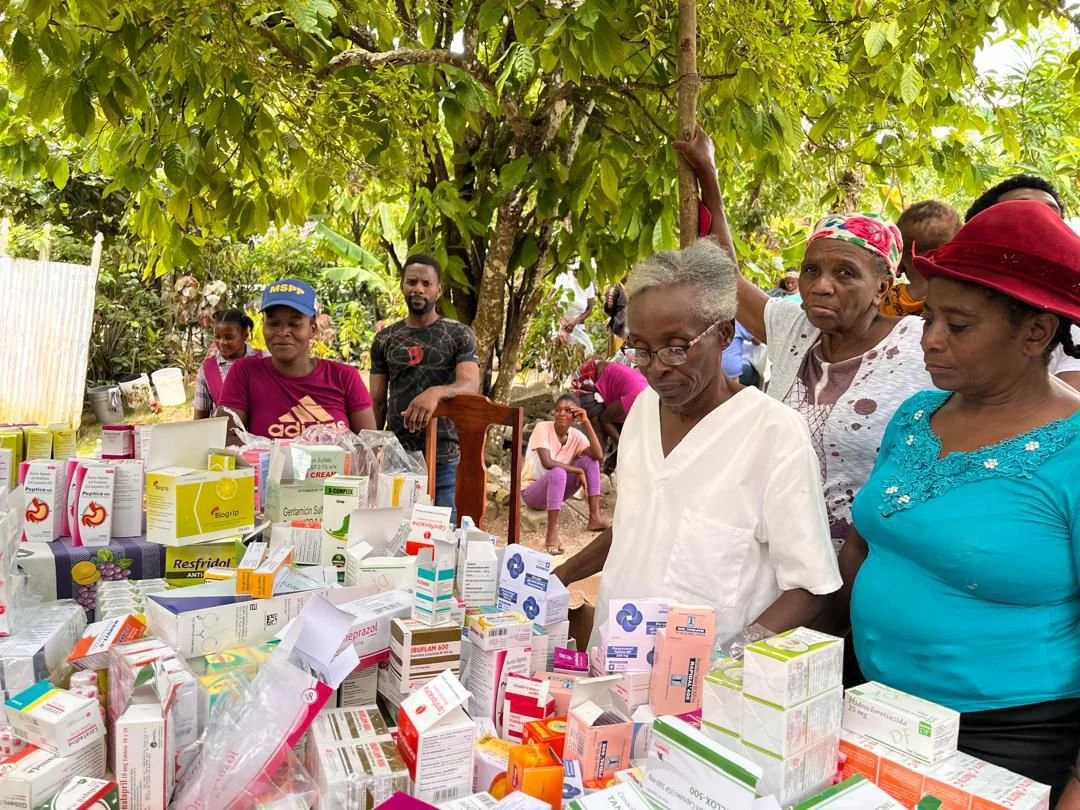
Essential medications and follow-up referrals
In addition to clinical care, teams distributed 1,000 water purification tablets (Aquatabs) and 1,050 mosquito nets to families facing increased health risks following the hurricane. Every service—including consultations, diagnoses, and prescribed medications—was provided free of charge.
Reaching Those Most in Need
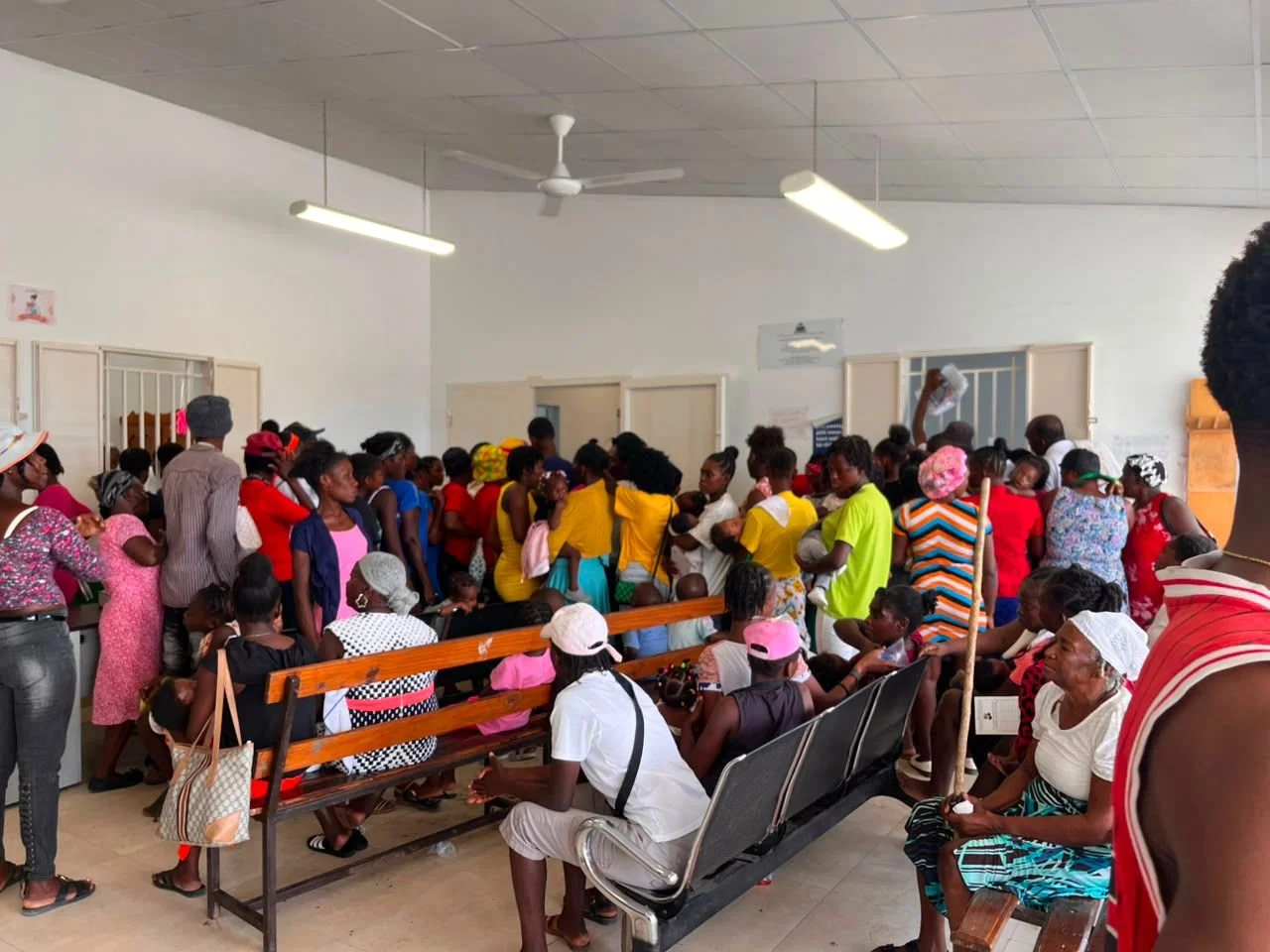
Women and girls represented 67% of all patients served, with 788 women and 395 girls receiving care during the week. This reflects both the significant healthcare barriers faced by women in rural Haiti and the close connection between this work and Locally Haiti's broader commitment to girls' empowerment and family well-being.
Community health workers played a critical role in the success of the initiative, conducting outreach in advance of each clinic, identifying priority cases, and ensuring families knew when and where services would be available. For many residents, the mobile clinics provided one of their first opportunities to access formal medical care in months.
“I knew about the new hospital but I hadn’t been able to get there yet,” Lester Lemite, a patient from Gran Ravin said. “This activity is a huge help to all of us here. We know our Community Health Worker is here for us, but this is a different level of care. To have this entire team here, with all of the medication, and labs, and staff—it’s really a priceless thing for us.”
What We Learned
While flu-like illnesses and fever were among the most common reasons for seeking care, the clinic data revealed deeper, long-standing health challenges facing rural communities.
Patients frequently presented with multiple conditions, providing a telling snapshot of community health needs:
Gastritis: 1,351 diagnoses
Genitourinary infections: 982 diagnoses
Anemia: 791 diagnoses
Hypertension: 715 diagnoses
These findings tell an important story.
High rates of gastrointestinal illness point to ongoing challenges with water quality and sanitation. Widespread anemia highlights nutritional vulnerabilities, particularly among women and children. The prevalence of genitourinary infections among women and girls underscores the need for continued health education, access to care, and support for adolescent girls. Chronic conditions such as hypertension remind us that healthcare needs extend well beyond emergency response.
In many ways, the mobile clinics served not only as healthcare delivery, but also as community health surveillance—helping identify trends and priorities that can strengthen future programming.
The data reinforces the importance of Locally Haiti's integrated approach, where healthcare, nutrition, clean water access, food security, and girls' empowerment work together to address the root causes of poor health outcomes.
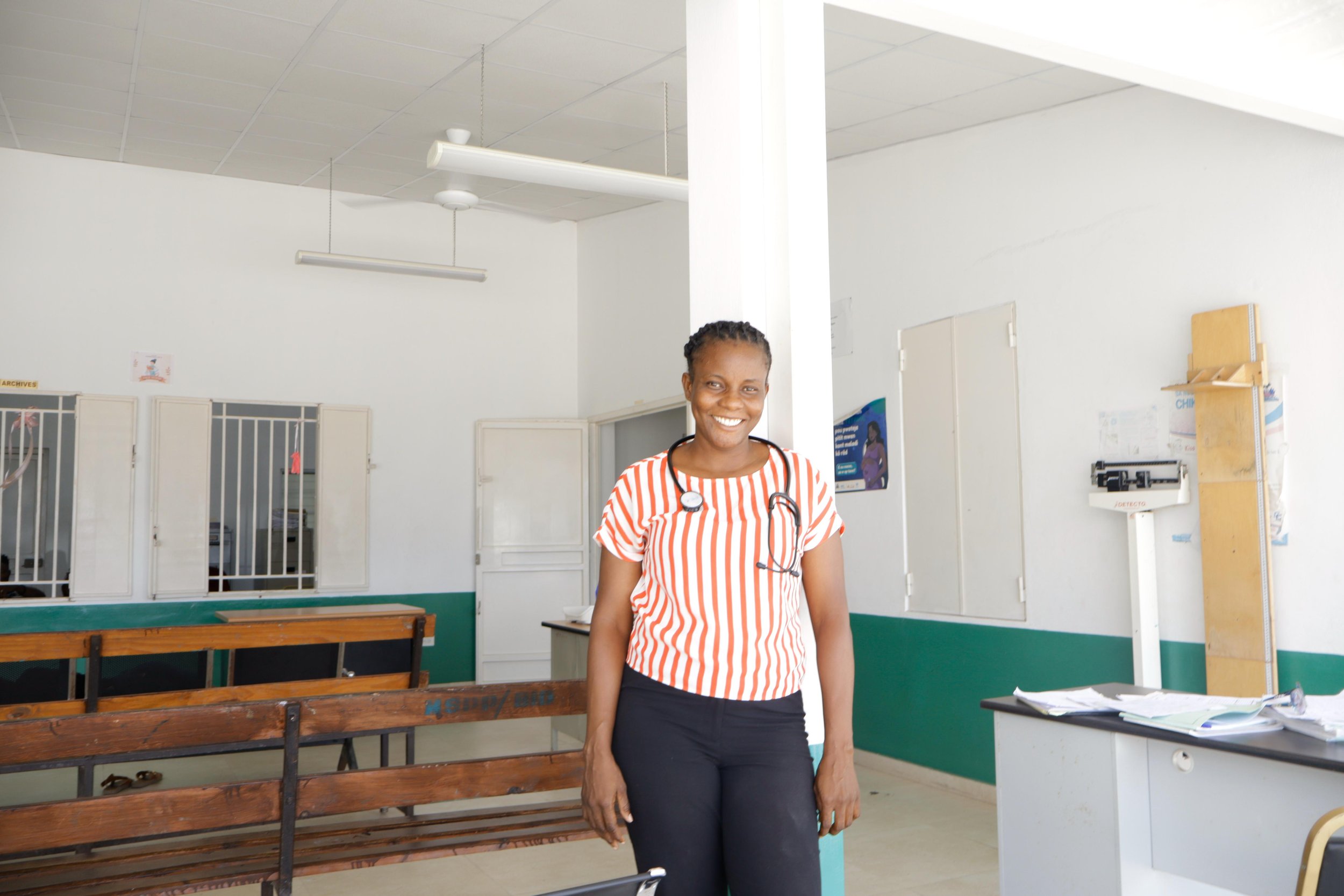
Dr. Valce at the Petit Trou Community Hospital.
“This was a powerful experience for me personally, and also a great opportunity for the hospital to meet patients where they are and provide a positive image of our work,” Dr. Myrlene Valce said. “Most importantly, it was a chance for patients in need. Being able to receive care without making the long trip down the mountain brought so many patients in need. I hope we can do this more often and I thank Direct Relief for supporting the initiative.”
Partnership in Action
This initiative was made possible through the generous support of Direct Relief and the collaboration of many dedicated partners.
The Petit Trou Community Hospital provided clinical leadership and staffing. ASFPN supported field coordination and community engagement. Haiti's Departmental Ministry of Health (MSPP) provided technical oversight and alignment with national health priorities. Community health workers, local leaders, and municipal officials helped spread awareness and ensure that services reached those who needed them most. And finally, St. Paul’s School hosted one of the larger clinics, serving 268 patients.
Together, these partnerships allowed care to reach some of the most geographically isolated communities in the region.
More Than Emergency Care
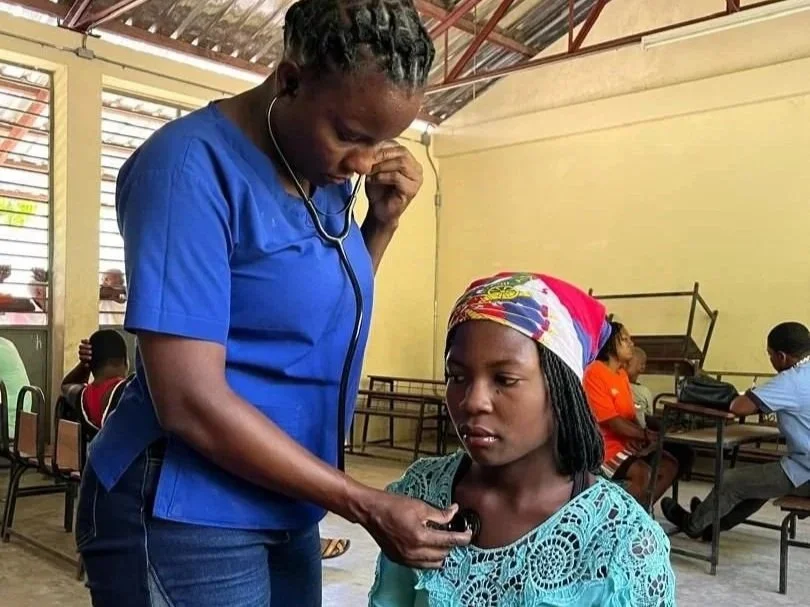
Each clinic strengthened connections between rural communities and the Petit Trou Community Hospital, helping build trust, familiarity, and long-term access to healthcare services. Community health workers also identified families facing food insecurity, psychosocial stress, and signs of malnutrition, creating pathways to ongoing support and follow-up care.
This holistic approach reflects Locally Haiti's belief that health is about more than treating illness—it is about supporting the overall well-being of individuals, families, and communities.
Looking Ahead
The mobile clinics served as a critical bridge between disaster response and long-term health system strengthening.
Every patient treated, every conversation shared, and every referral made helps build a stronger, more resilient healthcare system in Petit Trou. The lessons learned through this initiative will continue informing our work in nutrition, clean water, food security, girls' empowerment, and community health for years to come.
We are deeply grateful to Direct Relief, our partners, the healthcare professionals who made this effort possible, and the communities who welcomed us. Together, we are building a healthier future for Petit Trou—one relationship, one family, and one community at a time.