
Advancing Mental Health Awareness in Petit Trou
ASFPN Leads Community Mental Health Trainings in Haiti
As we recognize Mental Health Awareness Month this May, we're proud to highlight an important initiative led by our partner ASFPN (Association to Support Families & Farmers in Nippes). ASFPN is a community-based association working across Girls' Empowerment, Health, and Agriculture to strengthen and support families in Petit Trou de Nippes, and they play a key role in our continuing education efforts in the healthcare space.
From October through December 2025, leaders from ASFPN and the new community hospital participated in an eight-week mental health training. The training used a curriculum developed by the Haiti Health Network, a nonprofit working to strengthen Haiti's healthcare system.
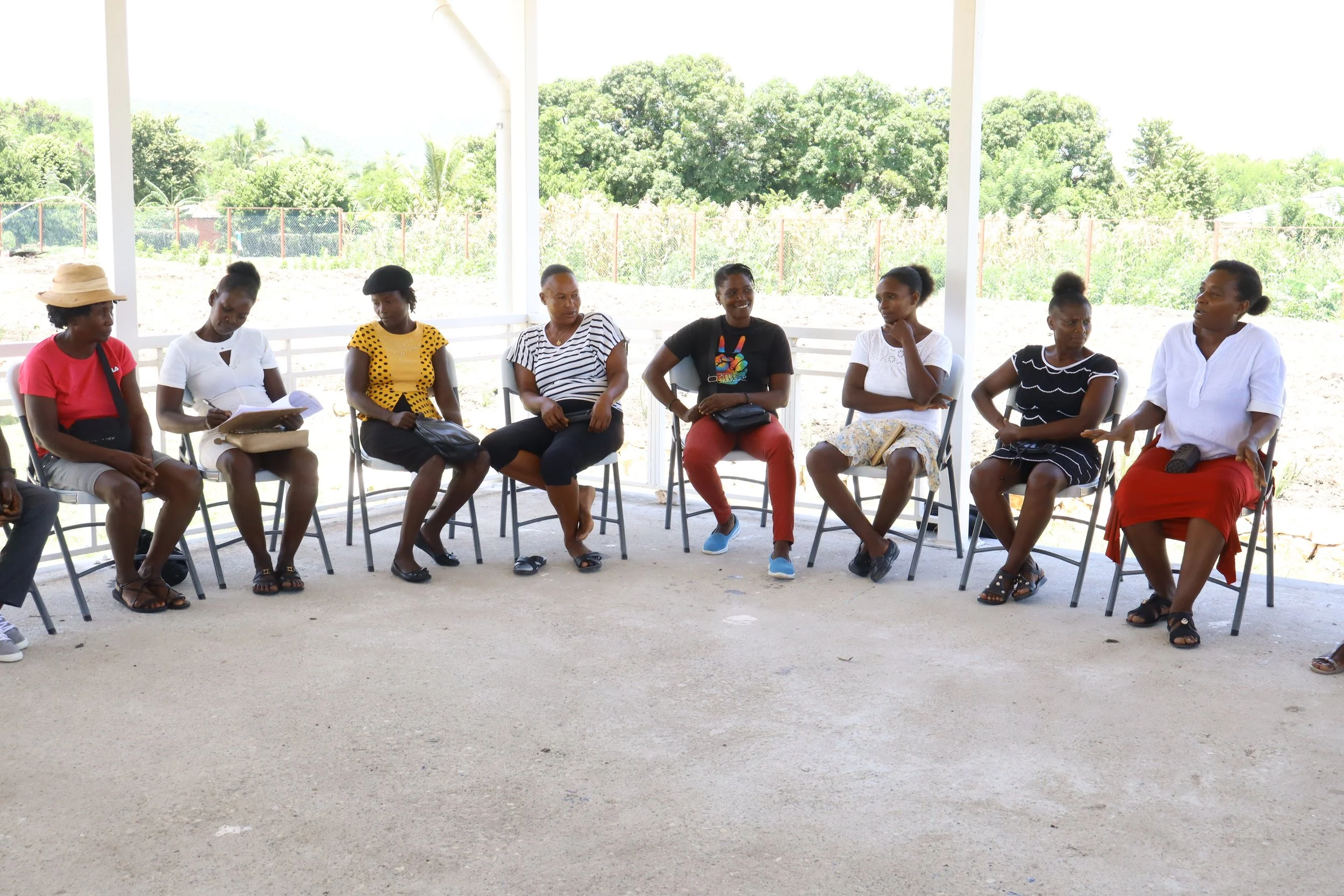
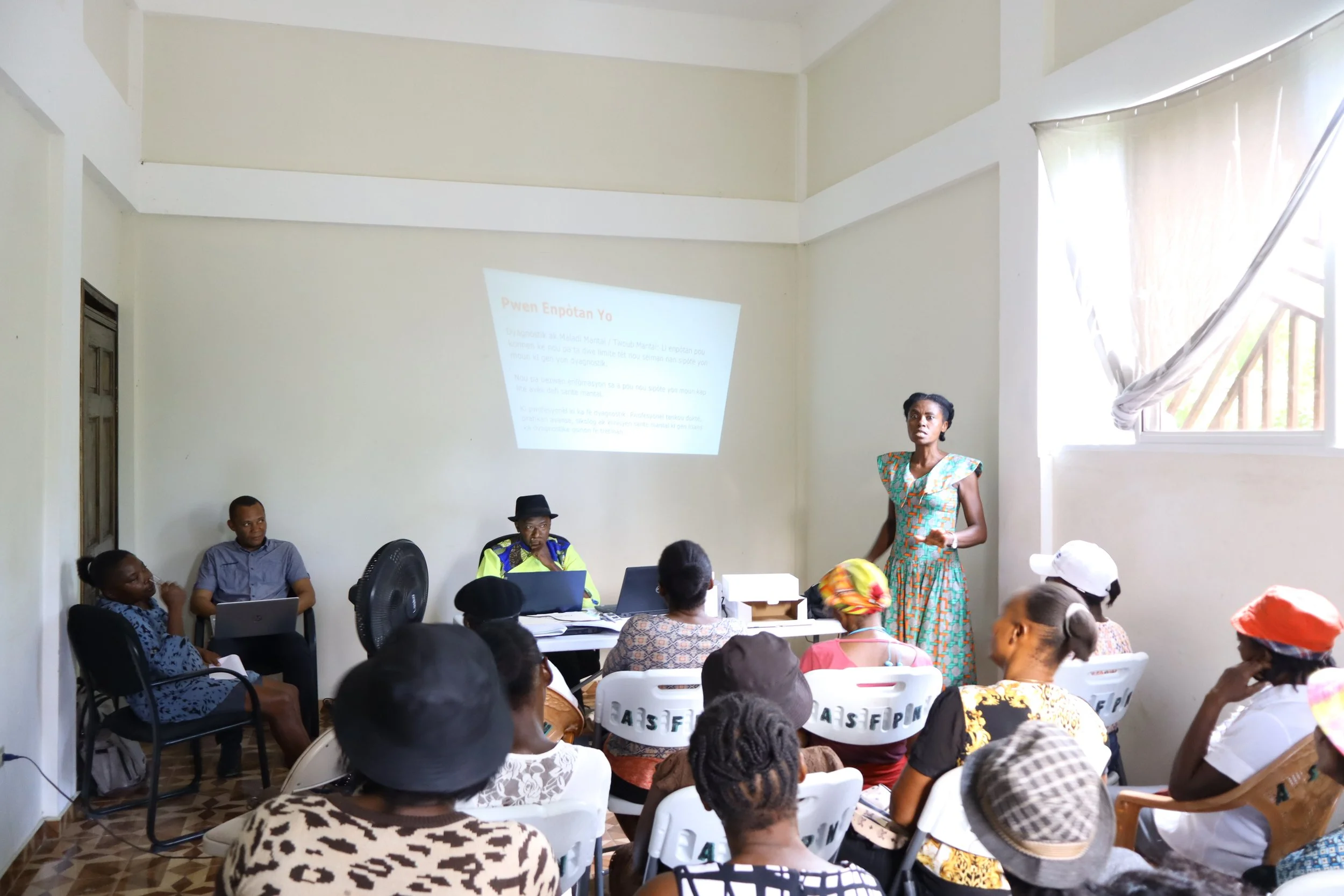
ASFPN staff member Nadine Veillard presents to community health workers followed by discussion regarding mental health in Haiti and the Petit Trou community.
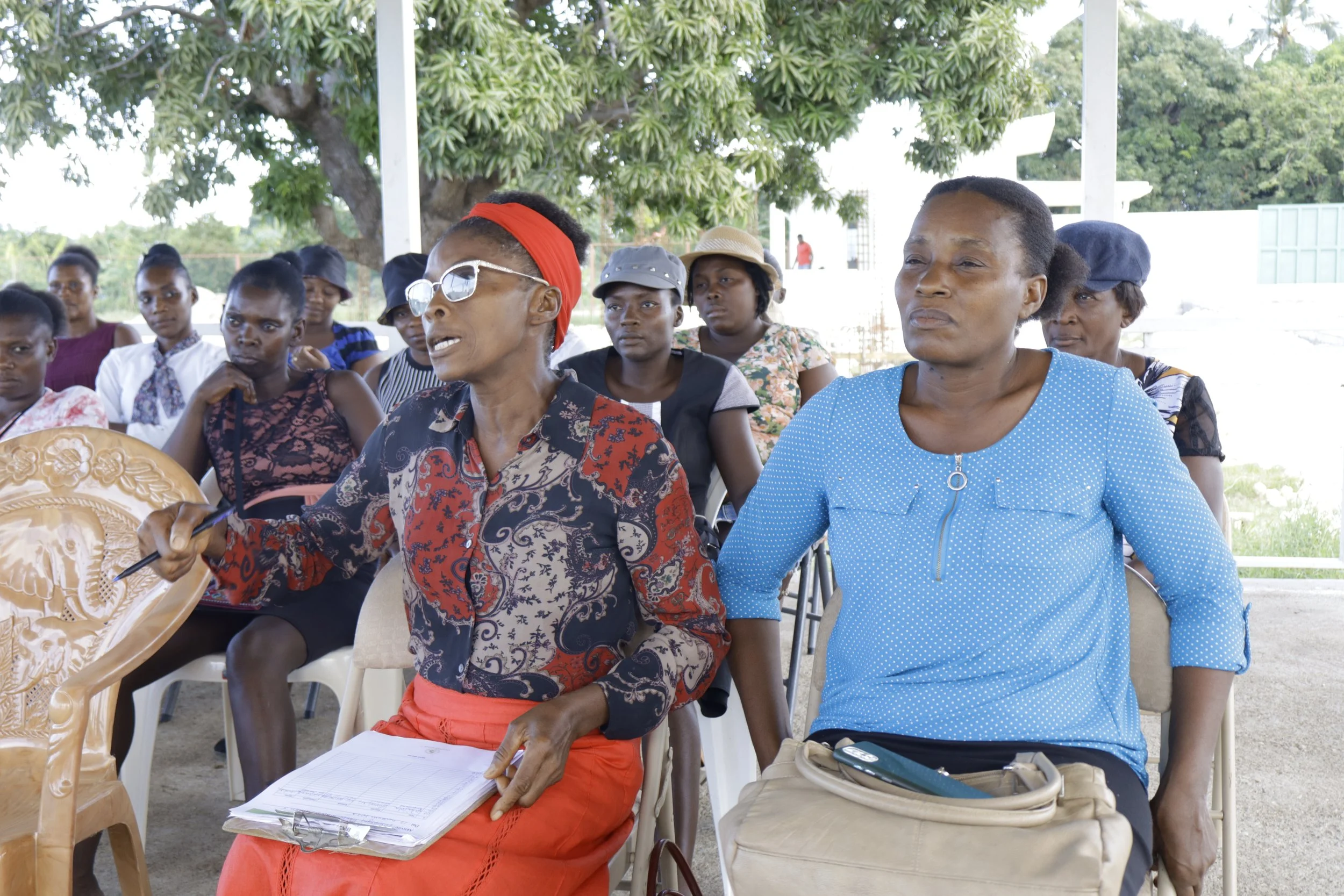
Early in 2026, the ASFPN team further adapted this robust curriculum for the local context, developing slides and a monitoring and evaluation plan with support from MPH student Pamela Pichon (UC Berkeley, Epidemiology and Biostatistics) and Madi Stiglich, a data scientist and MPH, to ensure it reflected the needs of community health workers in Petit Trou. They then organized a training with 27 participants, including community health aides—women who support community health workers through education, vaccination initiatives, and outreach—as well as leaders from a girls' empowerment program at St. Paul's School.
Led by ASFPN staff members Davidson Turenne, Elmina Israel, and Nadine Veillard, the training was made possible after several ASFPN team members completed their own mental health coursework through the Haiti Health Network, with support from Locally Haiti.
Through presentations, discussion, and collaborative learning, participants explored topics such as:
Stress, anxiety, and depression
Recognizing signs of psychological distress
How to respond compassionately to those struggling
When and how to refer individuals for professional support
Mental health remains a deeply under-recognized and under-resourced area of care in Haiti. As ASFPN staff member Lisson Michel explained:
"People are affected by the current situation in Haiti—not only the security crisis, but also economic hardship and the daily stresses they face in their families and communities. They live in stressful situations every day, but many do not think about taking care of their mental health."
In many Haitian communities, mental health struggles are often misunderstood or stigmatized. Many people believe psychological care is only for those with severe mental illness, and seeking support from a psychologist is not widely normalized or accessible. Because of this, education is a critical first step.
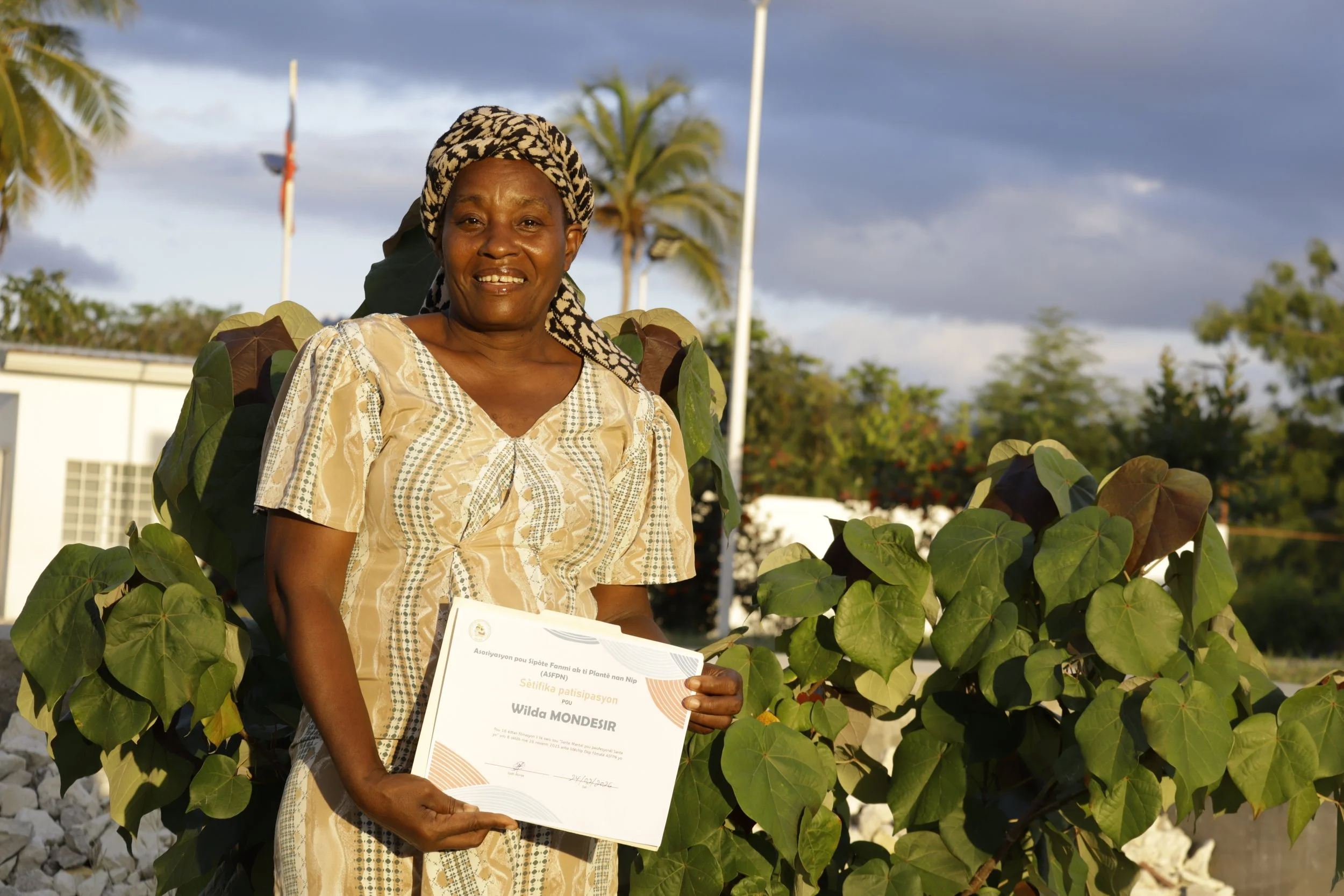
Participant Wilda Mondesir poses with her Mental Health Training certificate after completing the 8-week course.
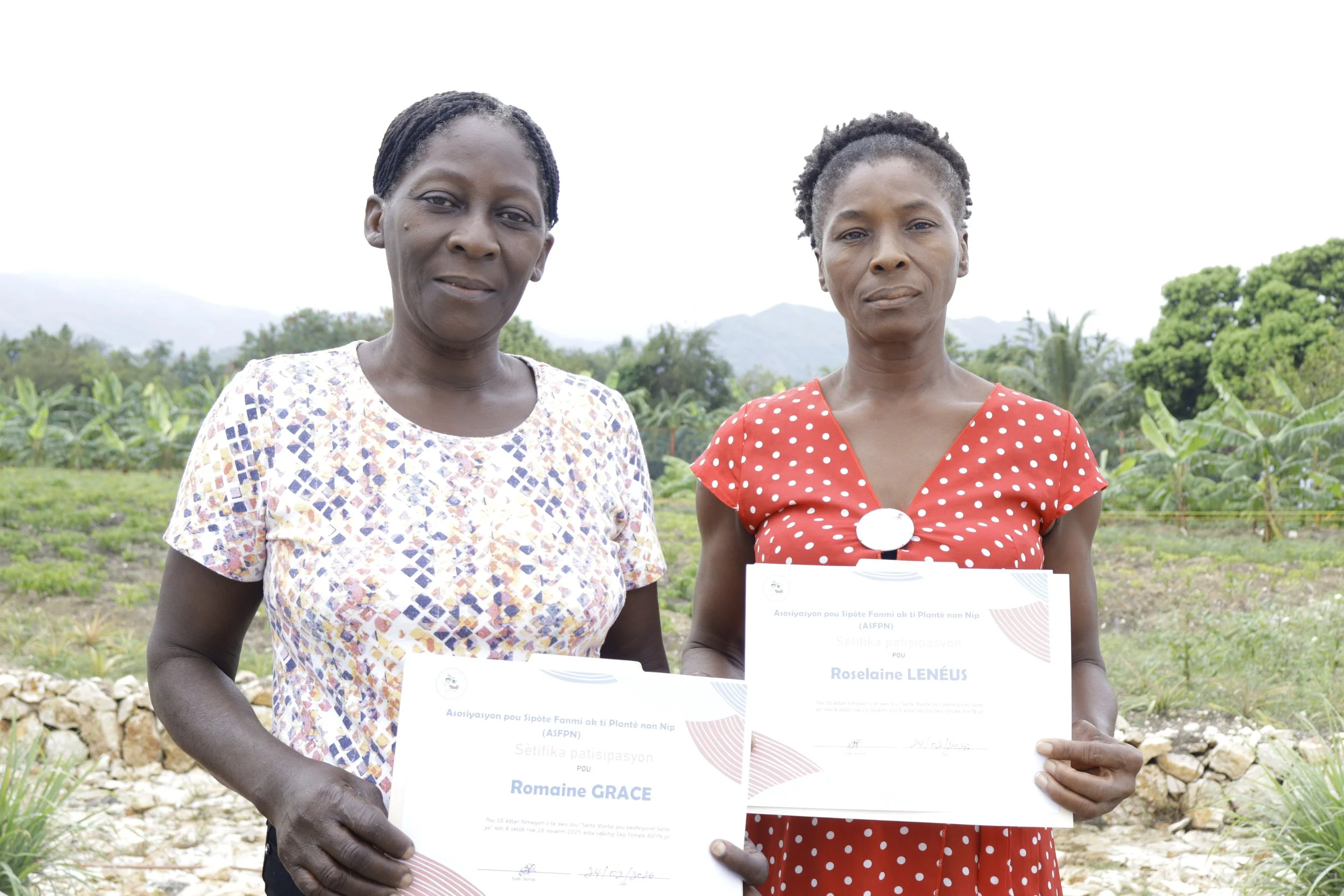
Participants Romaine Grace and Roselaine Lenéus receive their Mental Health Training certificates after completion of the course.
ASFPN's hope is that participants will not only deepen their understanding of mental health, but also change the way they support others in their daily work. As Lisson put it:
"We want to see their engagement in this space change—their language, their strategy, and the way they approach people should be different and better suited to caring for mental health."
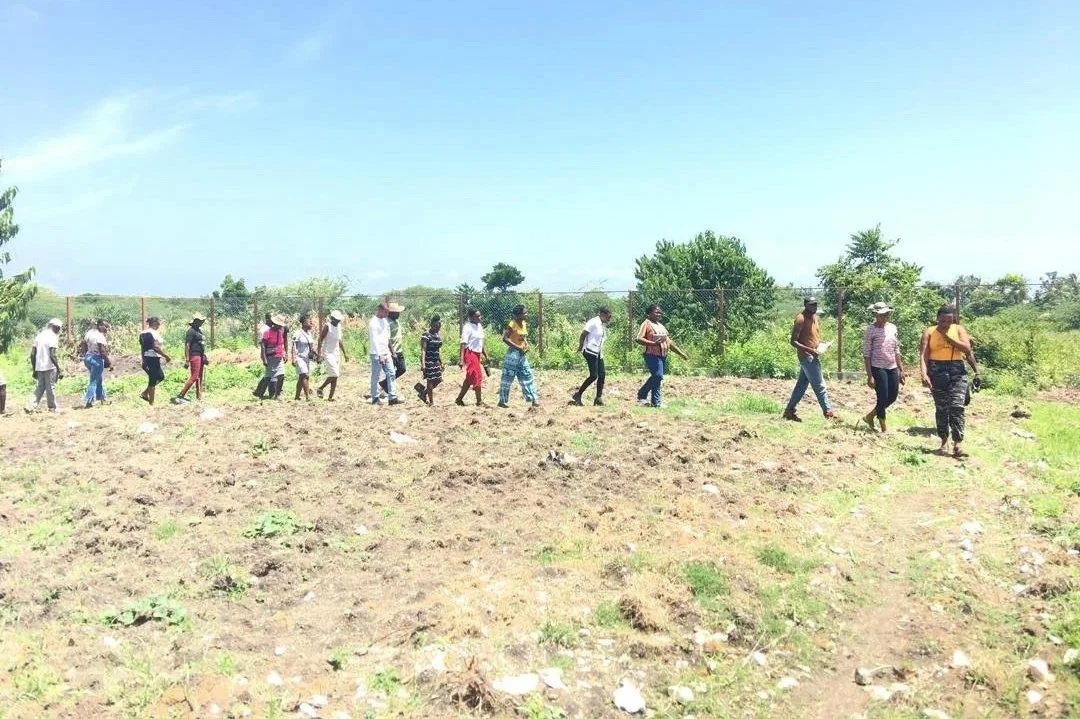
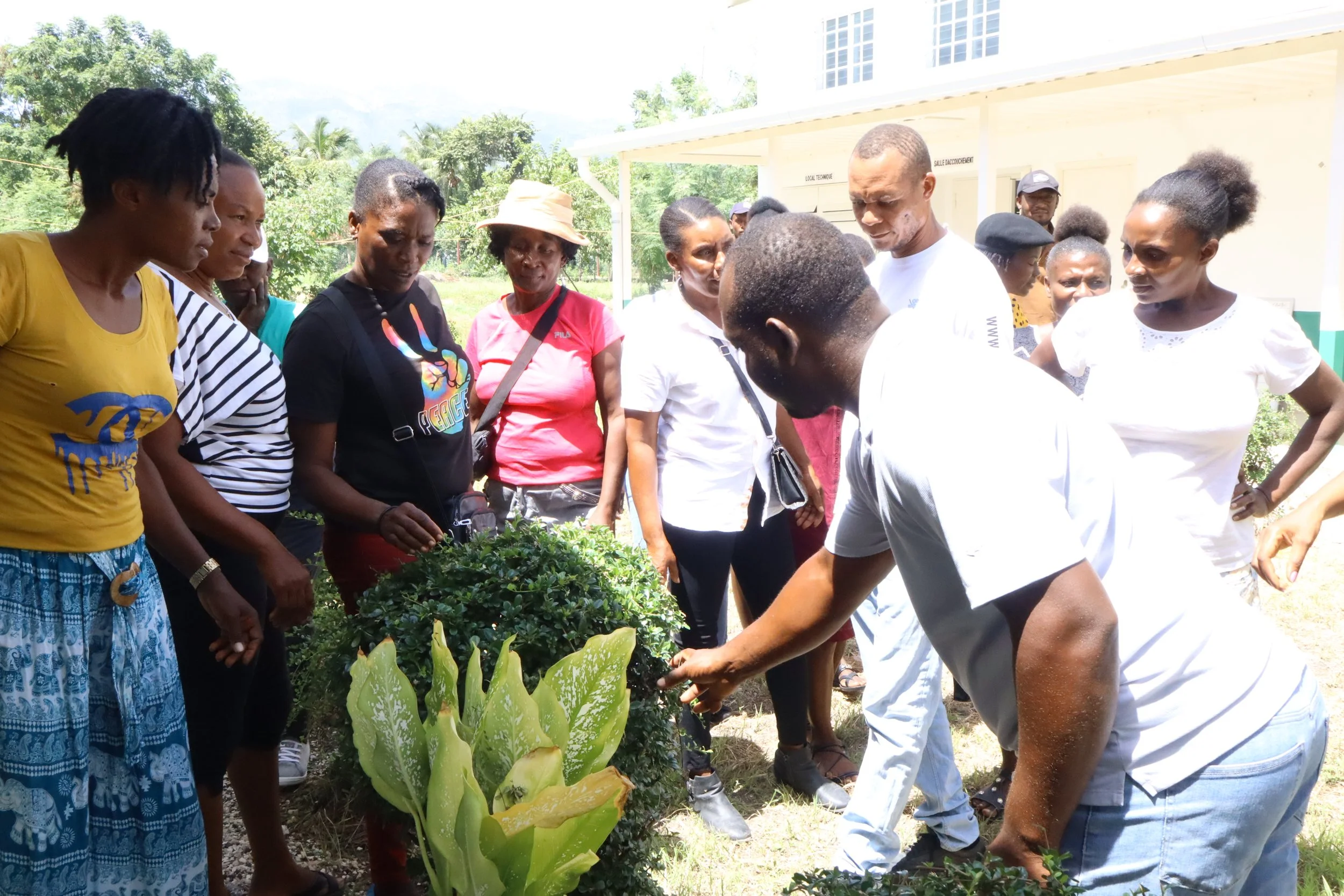
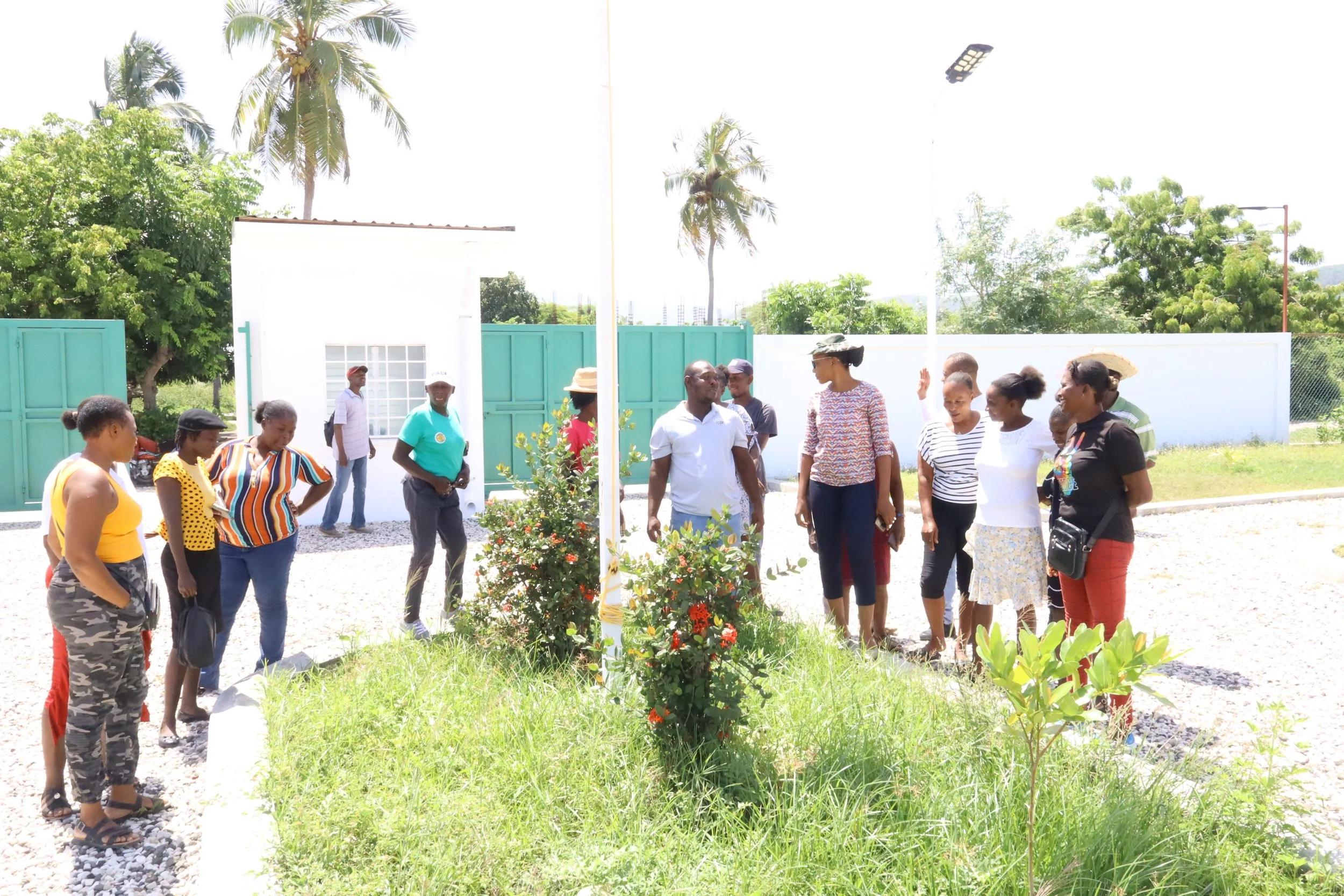
Trainees visit the hospital garden with ASFPN staff and agronomists to learn how nutrition and time outdoors supports strong mental health.
While professional mental health resources remain extremely limited in the region, trainings like these help community leaders provide compassionate first-line support and appropriate referrals when needed.
ASFPN conducted surveys before and after the training to assess participants' understanding and measure the program's impact. Early reflections indicate that the training significantly expanded participants' awareness of mental health concepts and their confidence in discussing these issues. Average scores increased by approximately 21.3%, and participants showed measurable improvement in recognizing mental health symptoms and greater confidence in providing psychosocial support. ASFPN hopes this is just the beginning—continuing to build awareness and reduce stigma, one community leader at a time.